Cold brew coffee

How to Make Cold Brew Coffee (and Keep It On Tap)

Cold brew is coffee steeped in cold water instead of brewed hot. It’s smoother, less bitter and keeps in the fridge — and on tap with a little nitrogen, it pours like the $8 nitro at your local café.

  • Makes up to 9L a batch
  • 12-hour steep
  • Nitro-ready kegs
  • 8,200+ reviews

From bean to tap

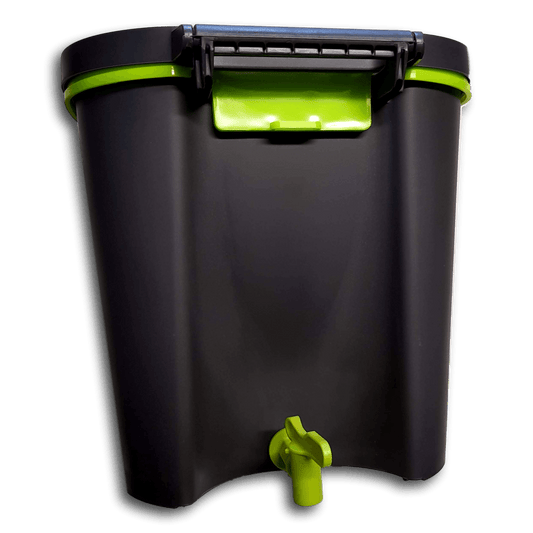
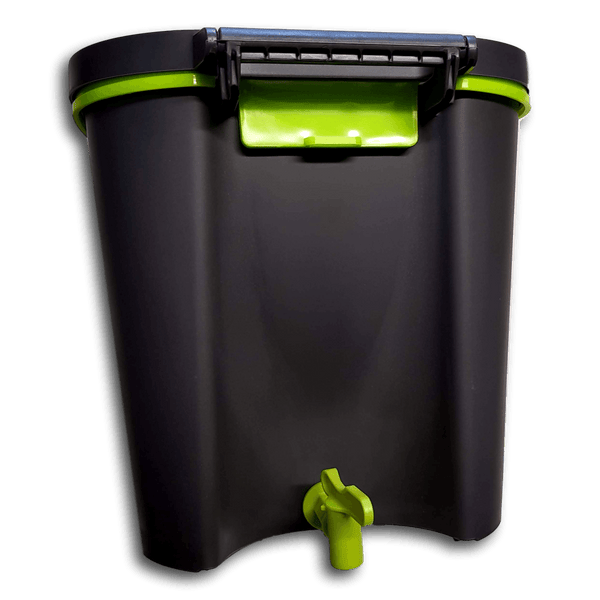
Cold Brew Coffee Maker | Up To 9L Batches | Reusable Filter
$133.85

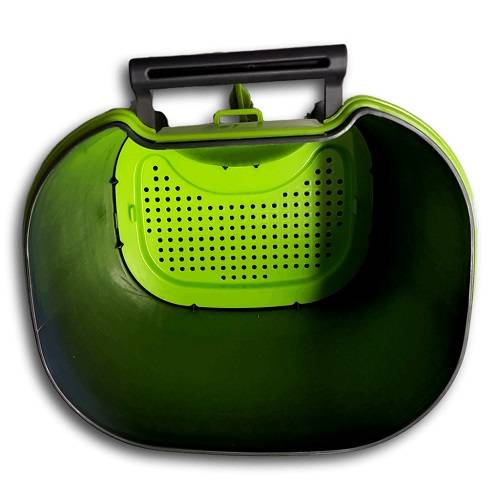
A 12L bucket with a reusable 25-micron filter pouch and pour tap. Makes up to 9L of cold brew per batch.

See details

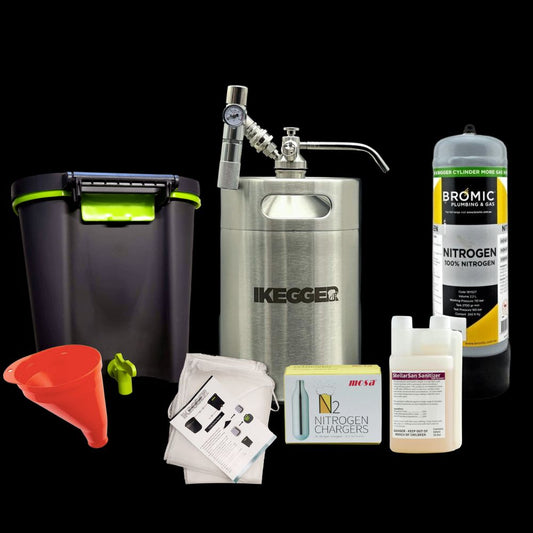
Cold Brew Coffee Maker & Nitro Coffee Keg Package
From $499

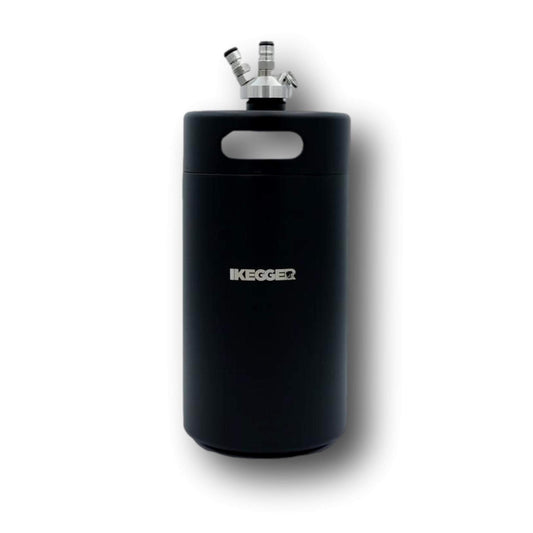
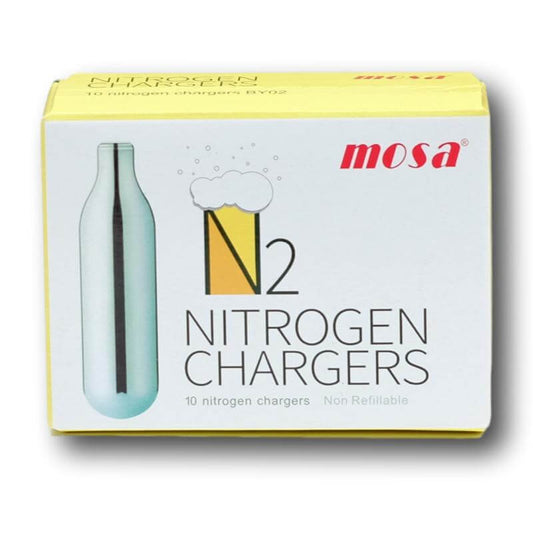
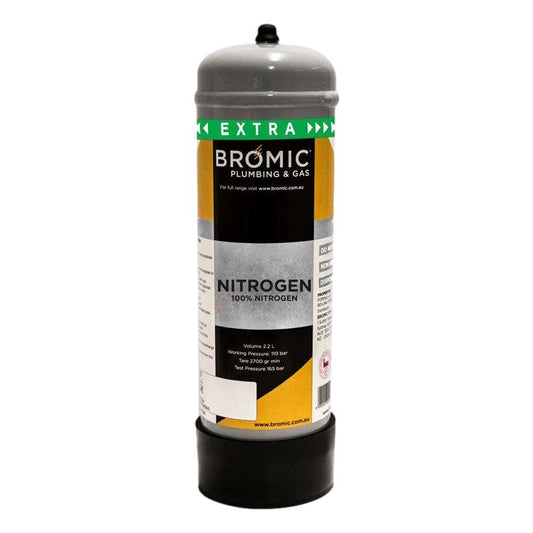
The bucket plus a keg, tap, regulator, nitrogen bulbs and a 2.2L nitrogen bottle — brew it, keg it, pour it nitro.

See details
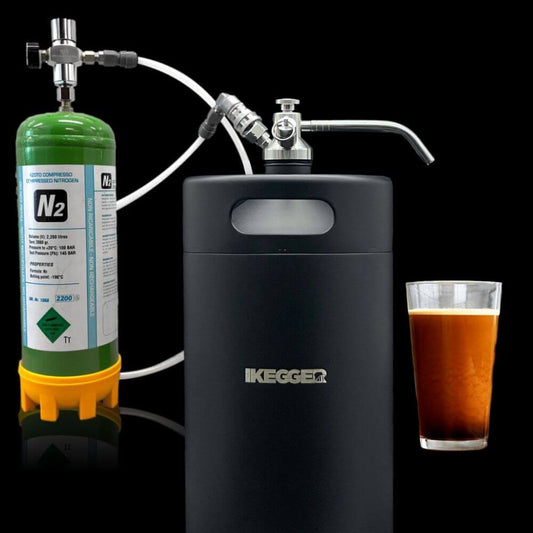
Nitro Coffee Keg Bundle - With Gas & Accessories
From $269

Already have cold brew? The Nitro Coffee Keg Bundle pours it with a creamy, cascading head.

See details

Cold brew and nitro coffee gear

Why make your own cold brew

Smoother coffee

Cold water pulls out less bitterness, so cold brew tastes rounder and sweeter.

Big batches

Brew up to 9 litres at once and keep it cold in a keg.

Nitro at home

Pour with nitrogen for a creamy texture with no milk or sugar.

Fraction of café prices

A bag of beans makes litres of cold brew.

Buying guide

Cold brew recipe and ratio

The ratio

Use 50–80g of coarse ground coffee per litre of cold water. Around 50g gives a ready-to-drink cold brew; 80g gives a stronger brew you can dilute with milk, water or ice. This is the ratio we recommend for our Cold Brew Coffee Maker.

How to make cold brew

  1. Grind your coffee coarse, like raw sugar. Fine grounds make cold brew muddy and bitter.
  2. Put the coffee in a filter pouch and add cold water, moving the pouch around so every ground gets wet.
  3. Close the lid and steep for 12 hours, in the fridge or at room temperature.
  4. Lift out the pouch, let it drain, and pour the cold brew into a clean, chilled keg or bottles.

Cold brew concentrate

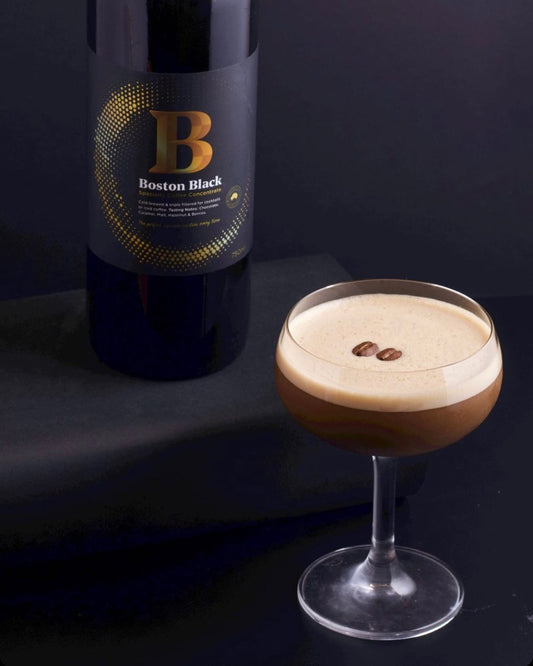
Brew at the strong end of the ratio and dilute to taste, usually about one part concentrate to one part water or milk. For espresso martinis, a concentrate made for cocktails, such as Boston Black, saves you the brewing.

Nitro cold brew

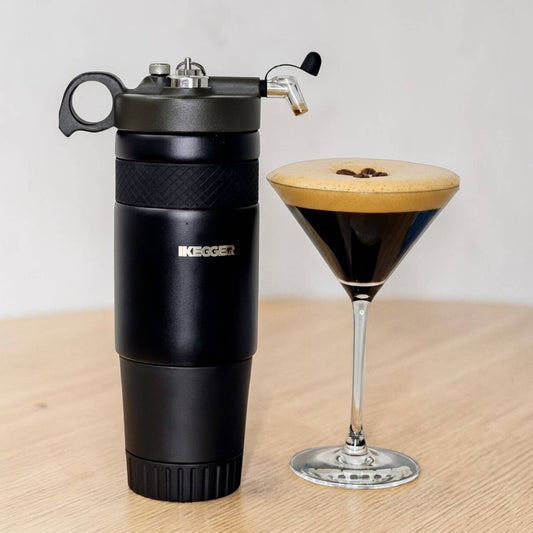
Keg the cold brew, chill it as cold as you can get it — nitrogen dissolves far better into cold liquid — and pour with pure nitrogen. The standard iKegger 2.0 tap is built to pour both carbonated and nitro drinks properly, so there’s no spout to swap. You get a cascading pour and a creamy head without milk.

Cold brew vs cold drip vs iced coffee

  • Cold brew steeps the grounds in cold water for hours.
  • Cold drip drips cold water slowly through the grounds, drop by drop.
  • Iced coffee is hot-brewed coffee poured over ice.

Espresso tonic

Pour 60ml of cold brew concentrate slowly over 150ml of cold tonic water and ice. Keep the tonic fizzy in a CO₂ keg for a crowd.

Questions

Frequently asked

What is the best ratio for cold brew?

50–80g of coarse ground coffee per litre of cold water. Use the high end for a concentrate.

How long should cold brew steep?

About 12 hours, in the fridge or at room temperature.

How long does cold brew last?

Kept cold and sealed, it holds its flavour for several days. In a keg under nitrogen it stays fresh longer than in an open jug.

Do I need a special tap for nitro cold brew?

No. The iKegger 2.0 tap pours nitro and carbonated drinks correctly without swapping spouts. If you’d like a classic bar look, the optional Pub Tap Add-On takes a standard or stout-style spout.

Café cold brew, from your fridge

Brew it once, keg it, and pour nitro cold brew all week.

Shop the Cold Brew Coffee Maker